

In an extraordinary leap at the intersection of technology and sustainability, Google has announced its boldest initiative yet — Project Suncatcher, a plan to deploy solar-powered artificial intelligence datacentres in space.
Launching its first trial equipment into orbit in early 2027, the tech giant envisions compact constellations of around 80 satellites positioned roughly 400 miles above Earth. Each would house high-performance processors designed to meet the surging global demand for AI, all powered by sunlight.
The Case for Space-Based Computing
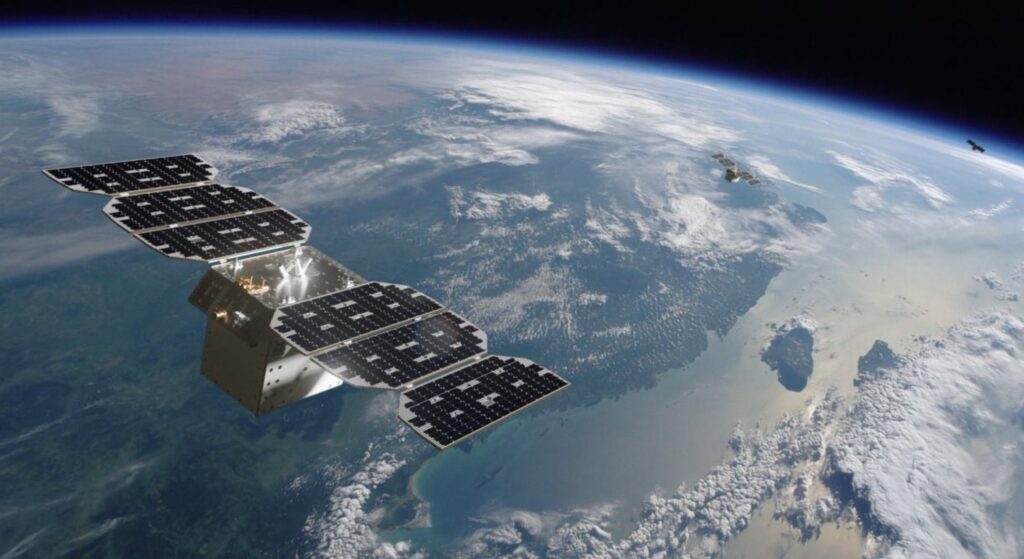
Traditional ground-based datacentres consume vast amounts of water and land resources for cooling. By relocating processing power to orbit, Google aims to reduce environmental strain while tapping into a nearly limitless supply of renewable energy. The solar panels enabling these space facilities are estimated to be up to eight times more efficient than those on Earth.
Falling launch costs, driven by advancements in rocket efficiency, are making this futuristic concept economically viable. Analysts predict that by the mid-2030s, the operational cost of space-based computing could rival that of traditional datacentres on Earth.
Engineering Ambition Meets Environmental Vision
Google space datacentres, Project Suncatcher is not solely a feat of engineering — it represents a vision for sustainable digital infrastructure. Google’s researchers highlight that the carbon footprint of space launches is vastly offset by long-term clean energy gains.
The company also acknowledges technical challenges ahead, such as advanced heat management and ultra-fast communication links to Earth. To achieve this, its satellites will use optical technology that transmits data via laser, ensuring high-speed, low-latency connections.
The New Space Race for AI

Google’s venture is part of a growing race among tech leaders to scale AI computing beyond Earth’s limits. Elon Musk’s SpaceX and Starlink programs are also exploring orbital datacentres. Meanwhile, Nvidia and startup Starcloud are set to launch AI processors into orbit this month, highlighting an emerging industry powered by solar innovation and interstellar ambition.
A Glimpse Into the Future
As AI continues to evolve, so too does the infrastructure supporting it. Project Suncatcher, the solar-powered AI datacentres push humanity one step closer to a future where data and sustainability coexist — not on land, but among the stars.

Baroque Lifestyle celebrates this milestone as more than a technological breakthrough; it’s a testament to human creativity, vision, and our endless pursuit of progress.