
Trips Down Under just got a little more expensive.
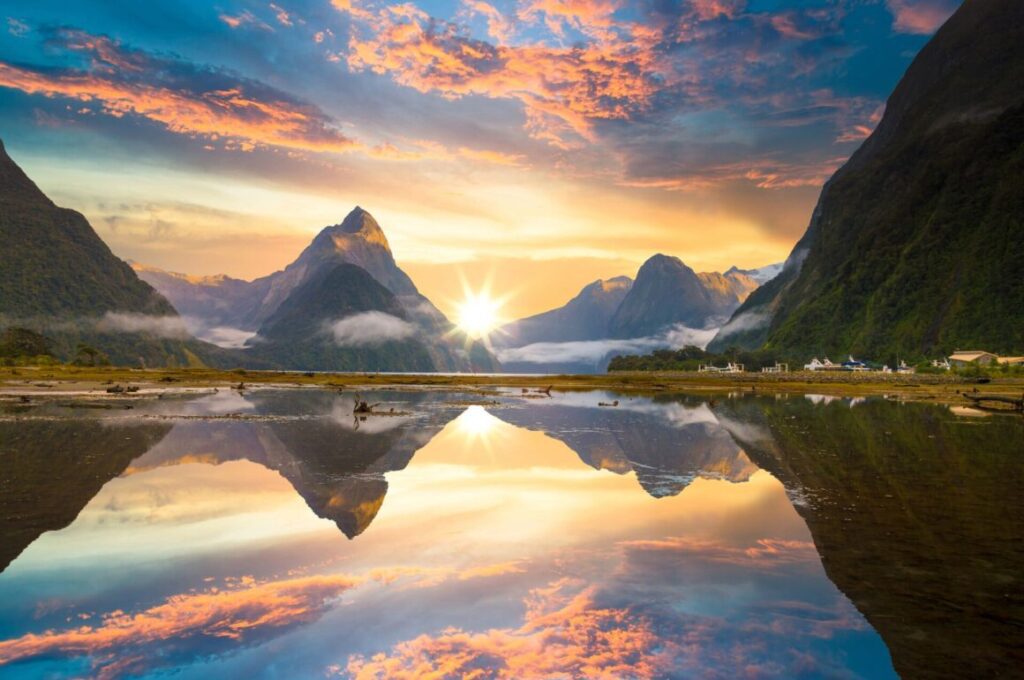
New Zealand, a nation celebrated for its untouched landscapes, pristine national parks, and world-famous walking trails, is introducing a new entry fee for some of its most iconic tourist destinations. Starting soon, overseas travelers will be asked to pay between NZ$20 and NZ$40 (approximately $12–$24 USD) to visit high-traffic attractions like Milford Sound, Mount Cook, Tongariro Crossing, and Cathedral Cove.
The move, announced by Prime Minister Christopher Luxon, aims to generate around NZ$62 million ($37 million USD) annually. This revenue will be reinvested into maintaining and preserving these treasured natural wonders for future generations.
“I have heard many times from friends visiting from overseas their shock that they can visit some of the most beautiful places in the world for free,” Luxon said in a speech. “It’s only fair that at these special locations, foreign visitors make an additional contribution of between NZ$20 and NZ$40 per person.”
Why the Fee?
The government sees this measure as both an economic driver and a sustainable tourism policy. With foreigners accounting for nearly 80% of visitors at some of these natural attractions, the contribution is seen as fair and necessary to keep infrastructure intact and minimize the environmental footprint.
Meanwhile, New Zealanders will remain exempt from the charges. As Luxon emphasized, “It’s our collective inheritance and Kiwis shouldn’t have to pay to see it.”
A Wider Trend in Global Tourism
New Zealand isn’t alone in introducing tourism fees. Around the globe, iconic destinations are taking steps to balance visitor numbers with conservation efforts:
- Rome now charges entry fees for attractions like the Pantheon and even implemented a levy at the Trevi Fountain.
- Venice has imposed day-tripper fees to manage overtourism.
- Amsterdam banned the construction of new hotels in response to rising visitor crowds.
The difference is that while many of these measures are designed to deter overtourism, New Zealand’s fee is structured as a sustainable investment, ensuring visitors continue to come while contributing directly to the upkeep of the country’s natural heritage.
The Bigger Picture
Beyond the fees, New Zealand is also easing travel access. A costly transit visa requirement for Chinese travelers will be lifted this November, and residency-by-investment rules are being relaxed to attract global talent and capital.
For luxury travelers, this fee is unlikely to deter the allure of New Zealand. Whether trekking through Tongariro Crossing, cruising Milford Sound, or basking in the shadow of Mount Cook, the experience of this untouched paradise remains priceless.
2 Responses
Fantastic read! 👏 I really appreciate how clearly you explained the topic—your writing not only shows expertise but also makes the subject approachable for a wide audience. It’s rare to come across content that feels both insightful and practical at the same time. At explodingbrands.de we run a growing directory site in Germany that features businesses from many different categories. That’s why I truly value articles like yours, because they highlight how knowledge and visibility can create stronger connections between people, services, and opportunities.Keep up the great work—I’ll definitely be checking back for more of your insights! 🚀
Your blog is a breath of fresh air in the crowded online space. I appreciate the unique perspective you bring to every topic you cover. Keep up the fantastic work!