
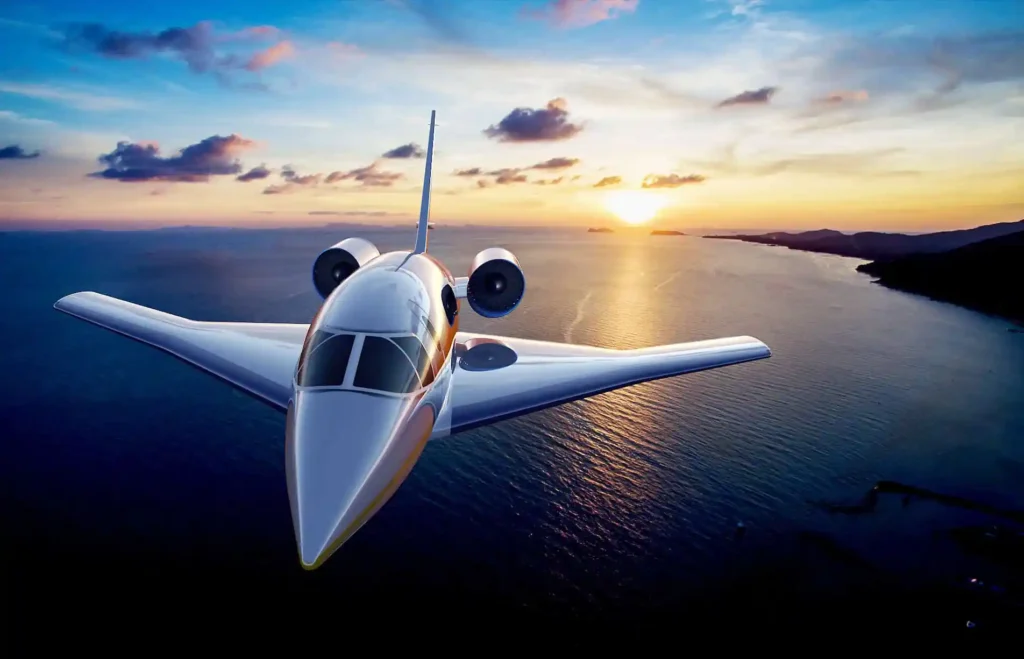
A New Era of Space Planes
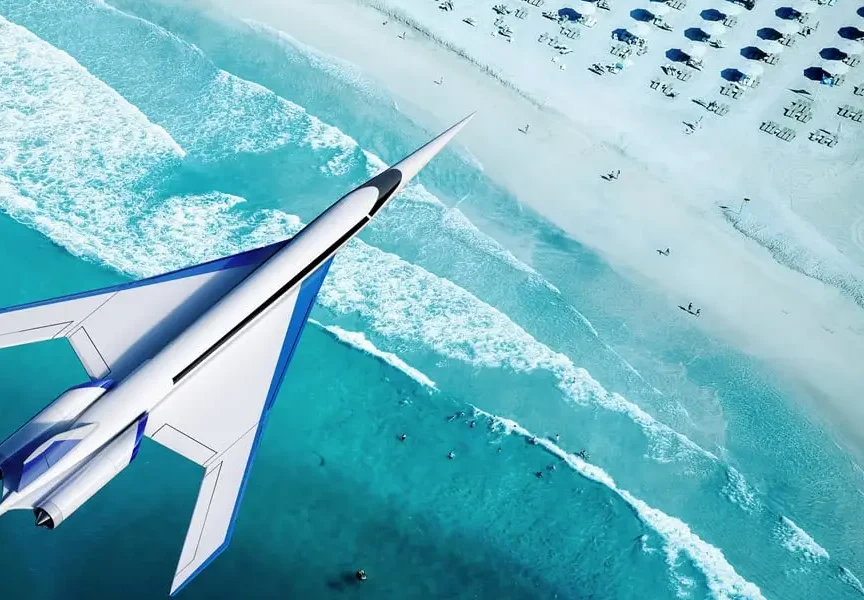
Imagine boarding a sleek aircraft in London, sipping champagne as you settle into your seat — and landing in New York just one hour later. No jet lag, no overnight flights, just seamless luxury across continents. What once belonged to the realm of science fiction is edging closer to reality.
Space planes — once thought to be relics after NASA retired its shuttle in 2011 — are making a glamorous comeback. And now, the European Space Agency is stepping into the spotlight with Invictus, a hypersonic space plane designed to travel at Mach 5, redefining the very meaning of “first-class travel.”
The Rise of Space Planes
Over the last decade, private companies and governments alike have rekindled their fascination with space planes — aircraft that take off like jets but soar like rockets.
- Virgin Galactic is preparing its Delta model for commercial space tourism.
- Sierra Space Corp., Dawn Aerospace, and Radian Aerospace have unveiled their own futuristic concepts.
- Militaries are also in on the action, with the U.S. Air Force’s robotic X-37B and China’s Shelong leading orbital experiments.
Now, ESA’s Invictus project is bringing Europe into the elite race.
Meet Invictus: ESA’s Hypersonic Vision
Announced in 2024, Invictus is being developed under a new ESA program to revolutionize air and space travel. The plane will be capable of flying at Mach 5 (3,386 mph), cutting transatlantic trips down to just one hour. If timelines hold, it could be operational by 2031.
The project is led by U.K.-based Frazer-Nash Consulting, building on groundbreaking technology from the late Reaction Engines Ltd., whose Skylon space plane concept inspired Invictus.
How It Works: Jet Meets Rocket
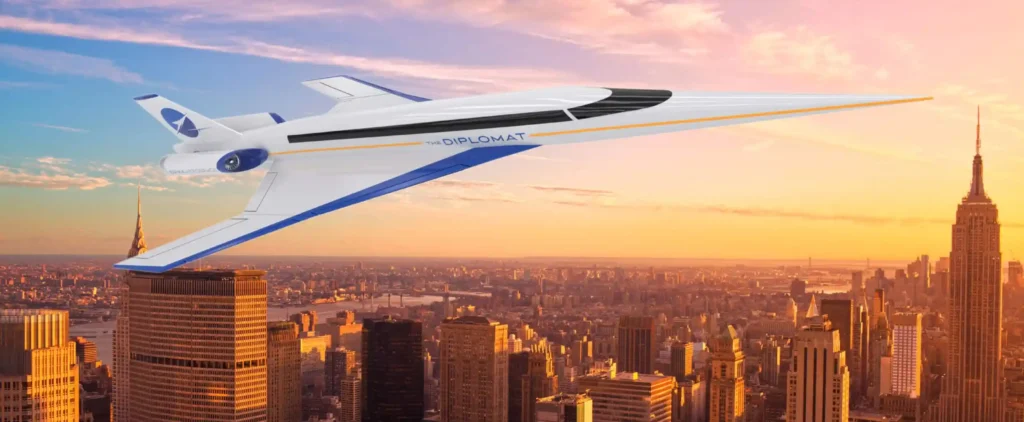
At its core, Invictus uses a revolutionary propulsion system:
- SABRE Engine Tech – a hybrid engine pulling oxygen directly from the atmosphere at lower altitudes, reducing the need for heavy onboard propellant.
- Pre-Cooler Innovation – superheated air at hypersonic speeds is instantly chilled, allowing the engine to function at extremes where normal aircraft engines would fail.
- Fuel Efficiency – powered by liquid hydrogen in space, the aircraft will be lighter, faster, and greener.
This blend of aviation and rocketry could make hypersonic passenger flights not just possible, but practical.
Luxury Meets the Future
While the technology may sound purely scientific, its implications for luxury lifestyle travel are profound. Imagine global business meetings without overnight flights, weekend escapes to continents away, or private charters for the elite that blur the line between airliner and spacecraft.
As Tomasso Ghidini of ESA put it:
“We are laying the foundation for aircraft that take off like planes and reach orbit like rockets — revolutionizing both terrestrial and orbital transportation.”
The Road Ahead
The Invictus team has 12 months to deliver a viable concept, with the first working hypersonic jet targeted for 2031. Should it succeed, we may be entering an era where luxury air travel merges seamlessly with space exploration.
For now, the countdown has begun — and the future of first-class may be measured not in champagne flutes, but in Mach numbers.